What can usually be reused
| Element | Usually reusable? | Notes |
|---|---|---|
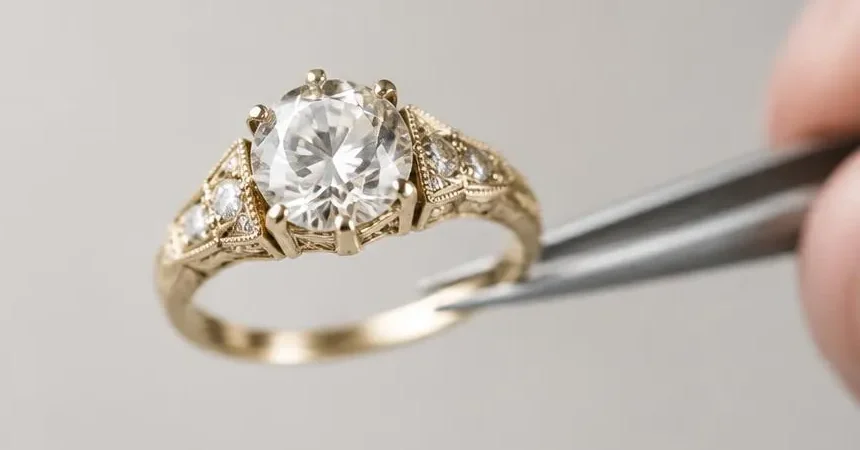
| Diamonds | Often | Durable, but chips, cracks or old fracture filling can rule out resetting. Older cuts may need a custom-made setting. |
| Sapphires and rubies | Often | Hard and tough; still checked for chips and treatments first. |
| Emeralds | With care | Most have filled fractures and are vulnerable to heat, ultrasonic and steam cleaning. |
| Opals, pearls and other delicate gems | With care | Sensitive to heat, chemicals and pressure during setting. |
| Gold | Sometimes | Can be reused after testing; mixed or unknown alloys complicate recasting. |
| Engravings, hallmarks and enamel | Rarely | Lost if the metal is melted; sometimes a section can be preserved. |
For Terra’s review: Confirm which of these Terra will reuse in-house, and his approach to engravings and hallmarks (for example, preserving a section).
Stones that need extra care
Removing and resetting a stone puts it under pressure, and repairs can involve heat. Some gems handle that easily; others don’t:
- Emeralds: GIA notes that the great majority of natural emeralds have filled fractures, so ultrasonic and steam cleaning are risky.[1]
- Opals: high heat or sudden temperature changes can cause opal to fracture or “craze.”[2]
- Pearls and some colored gems: light, heat and chemicals can damage or fade them over time.[3]
- Fracture-filled diamonds: filling treatments aren’t permanent and can be damaged by heat and ultrasonic cleaning.[4]
Some antique pieces also contain glass, doublets or foil-backed stones that look like gems. An in-person look identifies them before any plans are made.
Reusing the metal
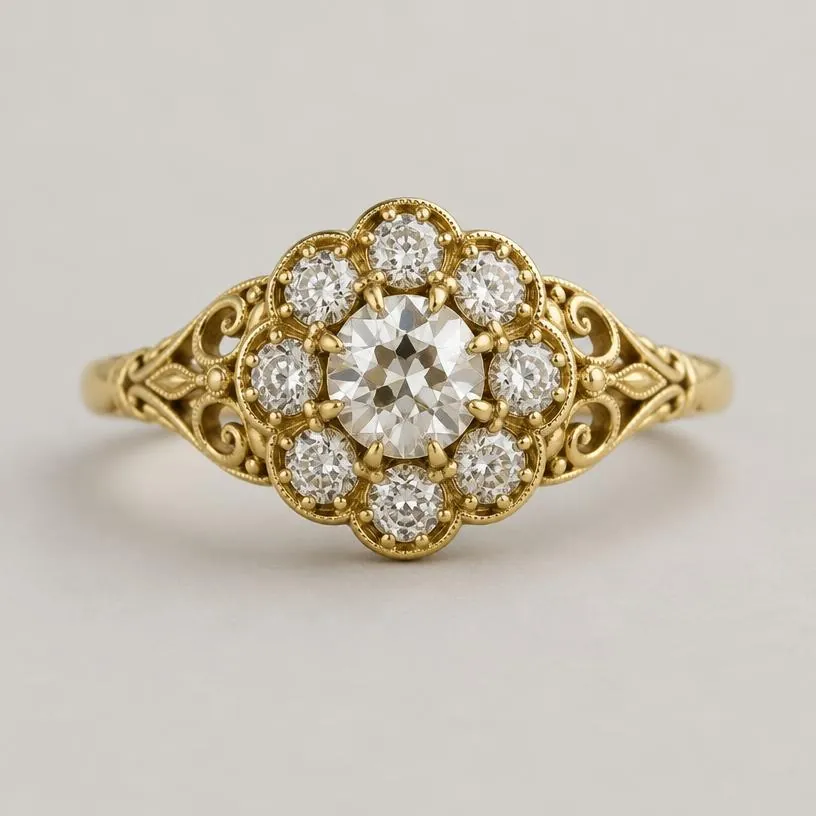
Old gold can sometimes be melted and recast into a new piece, but a few things decide whether that’s practical:
- Karat and color: pieces of different karats or colors melted together produce an alloy of uncertain karat and color. Gold sold as a stated karat has to be accurately marked.[5]
- Quantity: some metal is lost in melting and finishing, so a new design may need additional metal.
- Condition: old solder, repairs, plating or worn-thin areas can weaken recast metal.
Often the best result is to reuse the stones in a new setting made from fresh metal, keeping the original band or a section of it as a keepsake. Terra will explain the options for your piece.
For Terra’s review: Confirm Terra’s policy on melting customer gold and whether any credit for unused gold is offered. No terms are stated on the site until he approves them.
Why inspection comes first
Photos are a great start, but no one can promise a stone can be reused from a picture. In person, Terra checks:
- Stones for chips, cracks, abrasion and loose settings
- What each stone is, and whether there are signs of treatment
- Metal karat and condition, including old repairs
- Measurements of each stone, so a new setting fits exactly
Concept images from the online studio are illustrations, not a promise that a particular design can be built from your piece.
How a redesign works
- Upload photos and describe the piece in the Heirloom Redesign Studio, then save the ideas you like.
- Send your brief and request a consultation.
- Terra inspects the piece in person and discusses what can and can’t be reused.
- You review a design and a quote before any work begins.
Any date you request is a request, not a promise. Terra confirms timing after the inspection.
What to bring
- The piece itself, plus any appraisals, receipts or lab reports you have
- What you know of its history: who wore it, roughly when it was made, any past repairs
- Photos of styles you love, or designs saved from the online studios
- Which parts matter most to keep, such as a stone, an engraving or the band
Put it into practice
Try your choices in Terra’s design tools, then send your saved design for a personal review. Nothing is ordered or priced online; Terra confirms every detail with you first.
Also helpful: Diamond Shapes & Carat Sizes · 14K vs. 18K Gold vs. Platinum
Sources
- Emerald care and cleaning guide — GIA
- Opal care and cleaning guide — GIA
- Tips on caring for jewelry — GIA
- Ultrasonic cleaners for gems: what you need to know — GIA 4Cs
- 16 CFR § 23.3 — Misrepresentation as to gold content — FTC Jewelry Guides (eCFR)