Cut
How well a diamond’s facets are proportioned and polished. Cut has the biggest effect on sparkle — a well-cut diamond returns more light to the eye.
A clear, practical guide to how diamonds are graded and how to choose one you’ll love. Terra is happy to walk you through real diamonds side by side in the studio.
How well a diamond’s facets are proportioned and polished. Cut has the biggest effect on sparkle — a well-cut diamond returns more light to the eye.
Graded from D (colorless) through Z. D–F are colorless, G–J are near colorless and look white face-up in most settings, especially yellow or rose gold.
Tiny natural inclusions graded from Flawless to Included. VS and SI grades are often “eye-clean”, meaning inclusions aren’t visible without magnification.
A measure of weight, not size. Shape and cut affect how large a diamond looks — elongated shapes like oval and pear tend to look larger face-up.
Shape is a diamond’s outline seen from above. It sets the ring’s personality — and changes how large a stone looks for its weight.
Photos show each shape in a representative ring; Terra can show you real stones side by side.
Many triangular and kite-shaped facets that break light into sparkle.
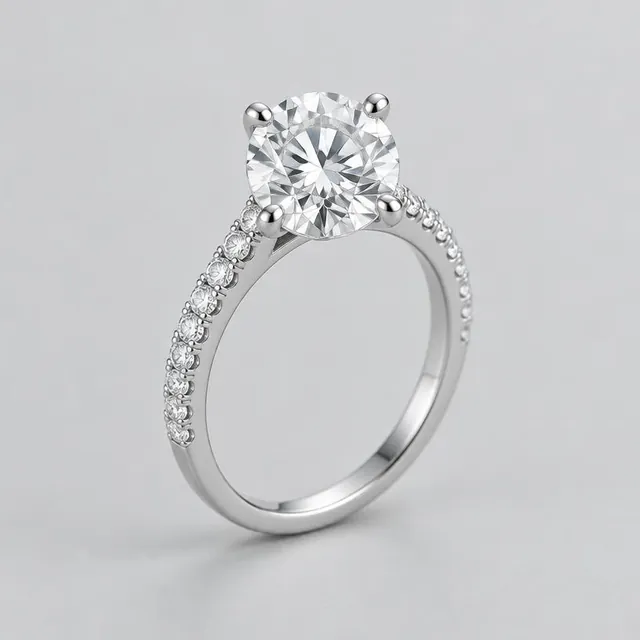
The most brilliant cut; timeless and versatile in any setting.
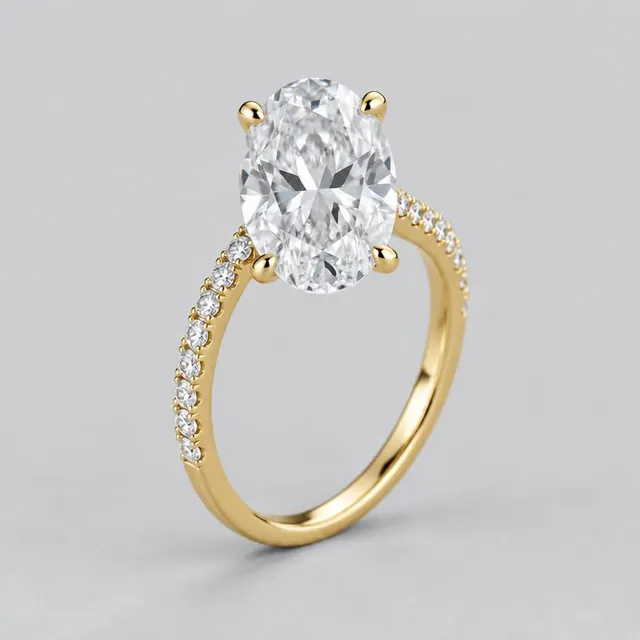
Elongated and flattering on the finger; looks large for its carat weight.

Soft square corners with a romantic, vintage glow.

A teardrop that blends round and marquise; elegant and elongating.
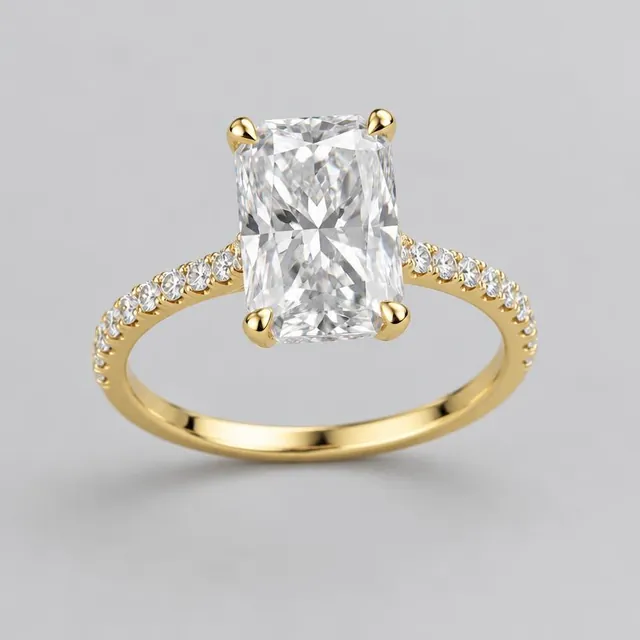
Brilliant sparkle in a rectangular outline with cropped corners.

Square and crisp with lots of sparkle; protect the corners with prongs.
Long, parallel facets for a clean, mirror-like look that shows clarity more.
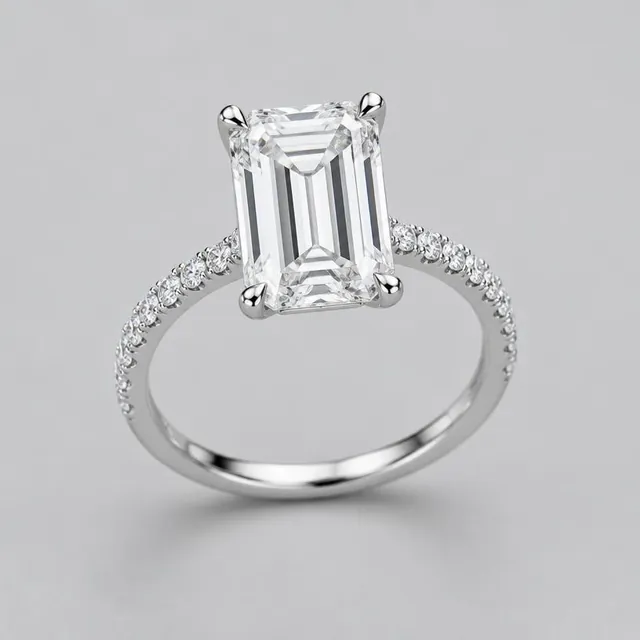
Step-cut facets create a clean, hall-of-mirrors look; clarity shows more.

A square step cut with Art Deco character.
Ready to choose? Open the Engagement Ring Designer, or read Lab-Grown vs. Natural Diamonds and Diamond Shapes & Carat Sizes.
Compare diamonds side by side with Terra at the Scranton studio.