What 14K, 18K and 950 mean
Pure gold is 24 karat, which is too soft for most everyday jewelry, so it’s alloyed with other metals for strength and color. The karat number tells you how many parts out of 24 are pure gold:
- 14K is 14/24 gold, about 58.3%, often stamped “14K” or “585.”
- 18K is 18/24 gold, 75%, often stamped “18K” or “750.”
Under the FTC Jewelry Guides, the word “gold” on its own is reserved for 24K gold. Any gold alloy should carry its karat fineness right before the word, as in “14K gold” or “18 karat gold.”[1]
Platinum used in fine jewelry is far purer. An item can be marked or described simply as “platinum” only if it contains at least 950 parts per thousand pure platinum, which is why you’ll often see “950 Plat” or “PLAT” inside a ring. Lower platinum content has to be disclosed with its parts-per-thousand number.[2]
Comparison table
| 14K gold | 18K gold | Platinum (950) | |
|---|---|---|---|
| Precious metal content | 58.3% gold | 75% gold | At least 95% platinum |
| Colors | Yellow, white, rose | Yellow, white, rose | Naturally white-gray |
| Color depth (yellow/rose) | Lighter | Richer, deeper | — |
| Feel on the hand | Lightest of the three | Heavier than 14K | Noticeably heaviest |
| Scratches and dents | Generally the most resistant of the golds | Softer than 14K | Scratches move metal into a soft patina rather than wearing it away |
| Upkeep | Polishing; white gold may need re-plating | Polishing; white gold may need re-plating | Polishing to restore shine, or wear it with a patina |
Hardness and color vary with the exact alloy a jeweler uses. Treat the table as a general guide, not a specification.
For Terra’s review: Confirm the alloys the studio uses (for example nickel or palladium white gold) and whether Terra wants to state a typical rhodium re-plating interval.
Color and appearance


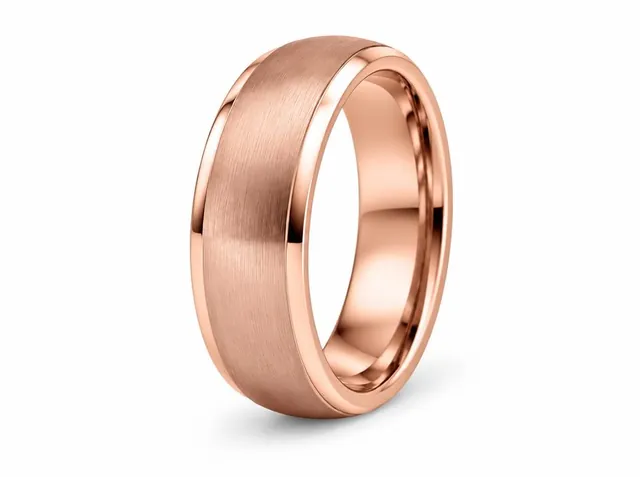
On-screen color is approximate; see metal samples in person.
- Yellow gold gets warmer and more saturated as karat rises; 18K looks noticeably richer than 14K.
- White gold is gold alloyed with white metals. It’s commonly rhodium-plated for a bright white finish, and the plating gradually wears with use.
- Rose gold gets its pink tone from copper in the alloy.
- Platinum is naturally white, so it doesn’t rely on plating for its color. Polished platinum has a slightly grayer, cooler look than plated white gold.
Everyday wear
Every precious metal scratches with daily wear. The difference is how it ages. Gold scratches lose a tiny amount of metal over time, and a jeweler polishes them out. Platinum scratches mostly push metal aside, creating a soft, satin-like patina that some people love and others have polished away.
For prongs that hold a center stone, the setting design and the jeweler’s workmanship matter as much as the metal. Have prongs checked periodically, whichever metal you choose.
If you have a known metal sensitivity, mention it before you order: some white gold alloys contain nickel, and the right alloy choice can avoid it.
Care tips
- Clean with warm water, mild soap and a soft brush, then dry with a lint-free cloth.
- Take rings off for heavy work, the gym, chlorinated pools and hot tubs, and household cleaning with bleach.
- Store pieces separately so harder stones and metals don’t scratch softer ones.
- Before using an ultrasonic or steam cleaner, check that your gemstones are safe for it.[3]
Which one fits you
| If you want… | Consider |
|---|---|
| Durable everyday gold at a lighter weight | 14K gold |
| The richest yellow or rose color | 18K gold |
| A naturally white metal with substantial weight | Platinum |
| A band that matches an existing ring | The same metal and karat as that ring |
The online design tools currently offer 14K white, yellow and rose gold and platinum. You can compare all four side by side in the Wedding Ring Studio or the Engagement Ring Designer. If you’d like 18K, mention it in your notes.
For Terra’s review: Confirm 18K gold is available on request, and for which styles.
Put it into practice
Try your choices in Terra’s design tools, then send your saved design for a personal review. Nothing is ordered or priced online; Terra confirms every detail with you first.
Also helpful: Engagement Ring Designer · Band Matching Guide
Sources
- 16 CFR § 23.3 — Misrepresentation as to gold content — FTC Jewelry Guides (eCFR)
- 16 CFR § 23.6 — Misuse of the word “platinum” — FTC Jewelry Guides (eCFR)
- Tips on caring for jewelry — GIA